Bug investigation
Reproduce issues, inspect logs, and trace the cause across application and infrastructure boundaries before choosing a fix.
 Get started
We maintain, monitor, and improve software and infrastructure after launch. We help resolve issues, optimize performance, and keep systems dependable over time.
Software changes after launch: dependencies move, usage patterns shift, and infrastructure develops new constraints. We investigate issues, maintain the operating environment, and improve reliability through evidence. Support starts with understanding the system and agreeing on responsibilities, access, and priorities.
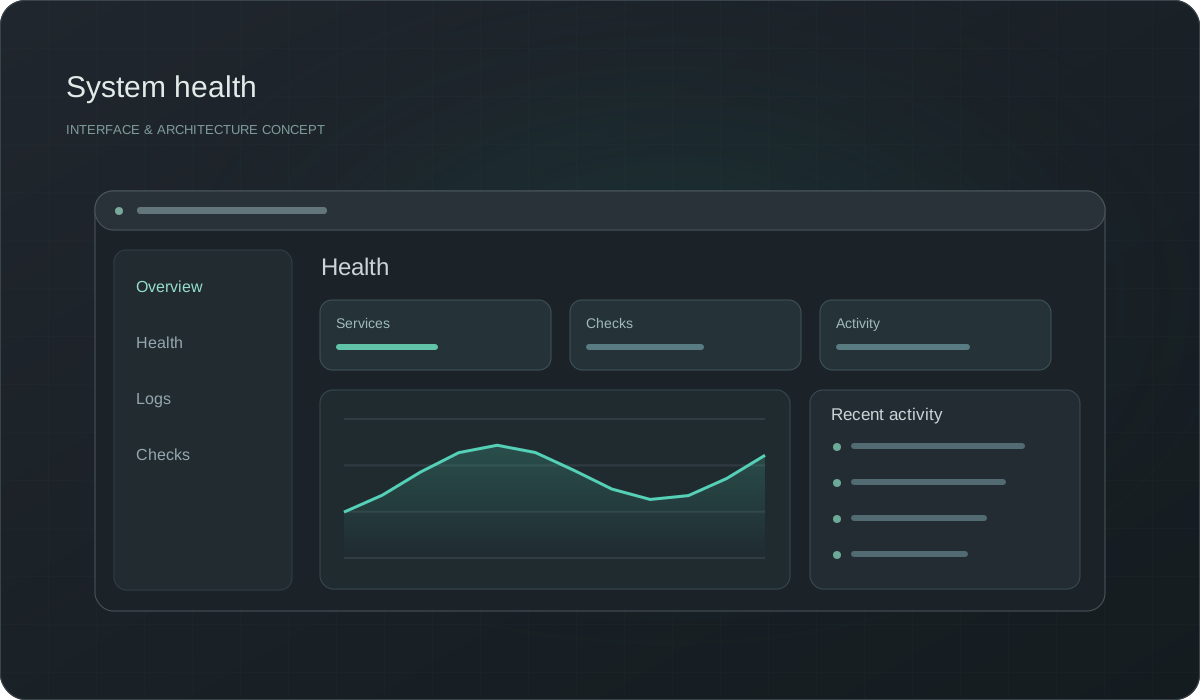
Reproduce issues, inspect logs, and trace the cause across application and infrastructure boundaries before choosing a fix.
Measure slow paths, resource use, and queries under representative conditions. Validate that a change improves the relevant workload.
Define actionable signals, escalation paths, and diagnostic information. Record incidents so recurring failures can be addressed.
Review updates, configuration, access, and exposed services. Schedule changes with compatibility checks and a recovery plan.
Inspect capacity, certificate lifecycles, jobs, and storage. Verify restoration procedures rather than assuming a backup file is sufficient.
Prioritize maintainability improvements alongside useful product changes. Document fragile areas and reduce them through planned work.
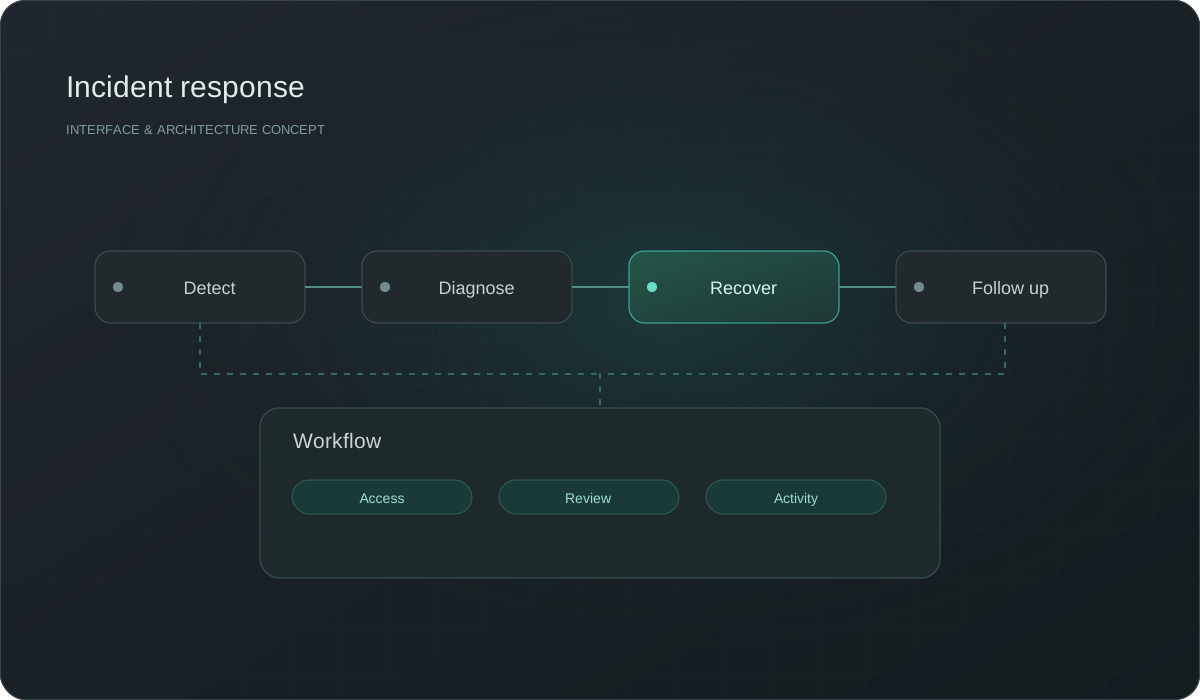
An incident needs both a safe immediate response and an explanation of what happened. We separate diagnosis, mitigation, and follow-up work. A fix is checked against the failing scenario, and relevant monitoring or documentation is updated so the same issue is easier to detect and handle.
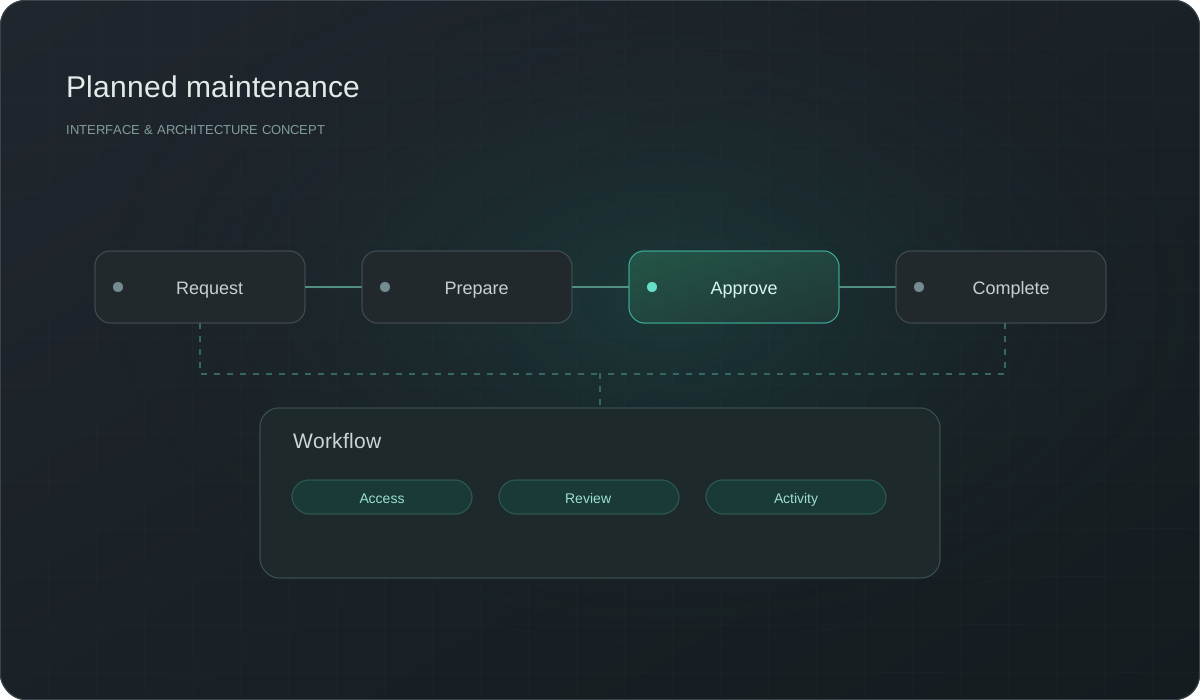
Updates should have a known scope, test path, and rollback option. We review dependency changes, infrastructure health, and backup restoration together with the team’s operating calendar. Maintenance priorities reflect business impact rather than the number of alerts in a dashboard.
A useful support arrangement makes priorities, evidence, and responsibilities visible.
Review architecture, environments, logs, access, known issues, and existing recovery procedures.
Define the systems covered, communication channels, escalation, and change approval. Coverage and response expectations are agreed explicitly.
Track fixes, preventive maintenance, and product improvements with their impact and verification results.
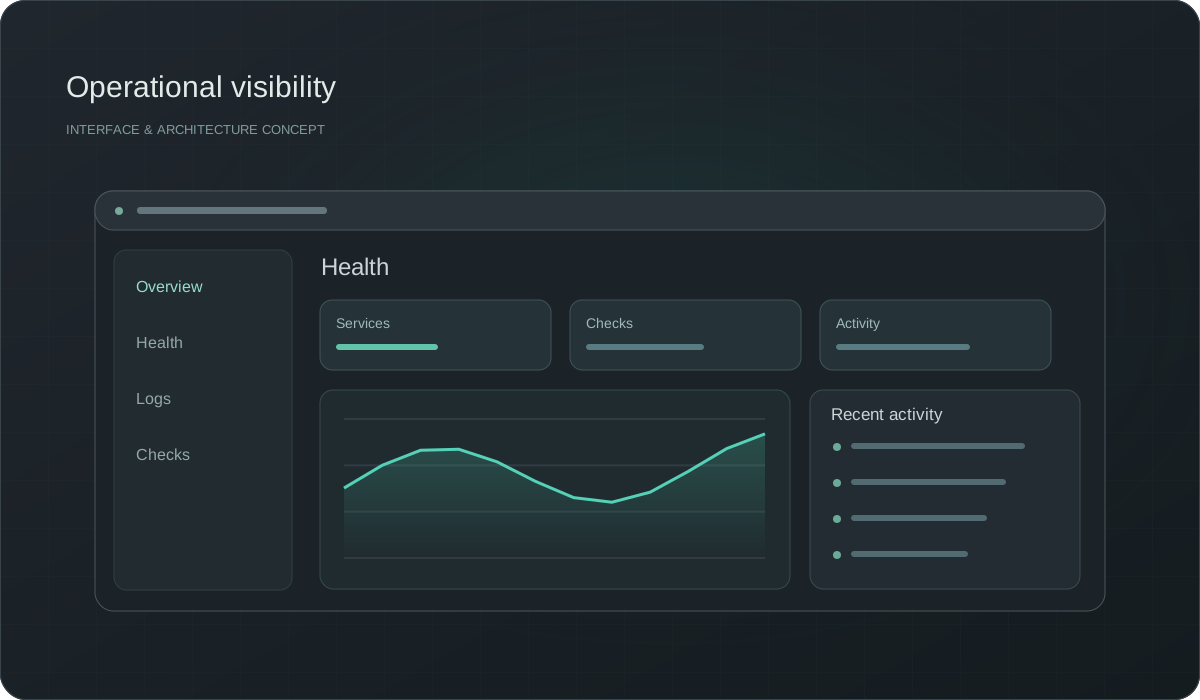
Use relevant evidence to understand what failed and where.
Keep validation and recovery part of routine maintenance.
Address technical debt in the context of ongoing product needs.
Coverage, severity definitions, and response expectations depend on the agreed support scope. We do not assume 24/7 availability or a service-level guarantee.
We first review source access, architecture, deployment, documentation, and known risks. That assessment establishes a realistic maintenance scope.
A backup must be restorable with the required configuration and dependencies. We plan verification and document the steps needed to bring the system back.
It can, when product evolution is included in the agreement. We distinguish incident work, routine maintenance, and planned development so priorities remain clear.
Have an idea, a question, or a challenge to solve? Tell us what you need, and we'll help you find the right starting point.
Tell us what you have in mind. You can reach our team directly by email.
We'll take time to understand your needs, discuss the possibilities, and work out what makes sense for your project.
Tell us about your idea, your challenge, or your next project. We’ll help you find the right way forward.