Specialized development utilities
Build command-line tools, desktop utilities, and repository helpers around repeated engineering tasks with clear inputs and outputs.
 Get started
We create software and tools that improve how developers build, test, deploy, and maintain applications. From internal engineering platforms and development utilities to automation, reusable libraries, and infrastructure tooling.
Engineering teams repeat work across repositories, environments, releases, and documentation. Developer tools can make those workflows clearer and easier to maintain. We build specialized utilities and internal platforms around the team’s existing practices, with explicit interfaces, usable defaults, and enough visibility to understand what the automation did.
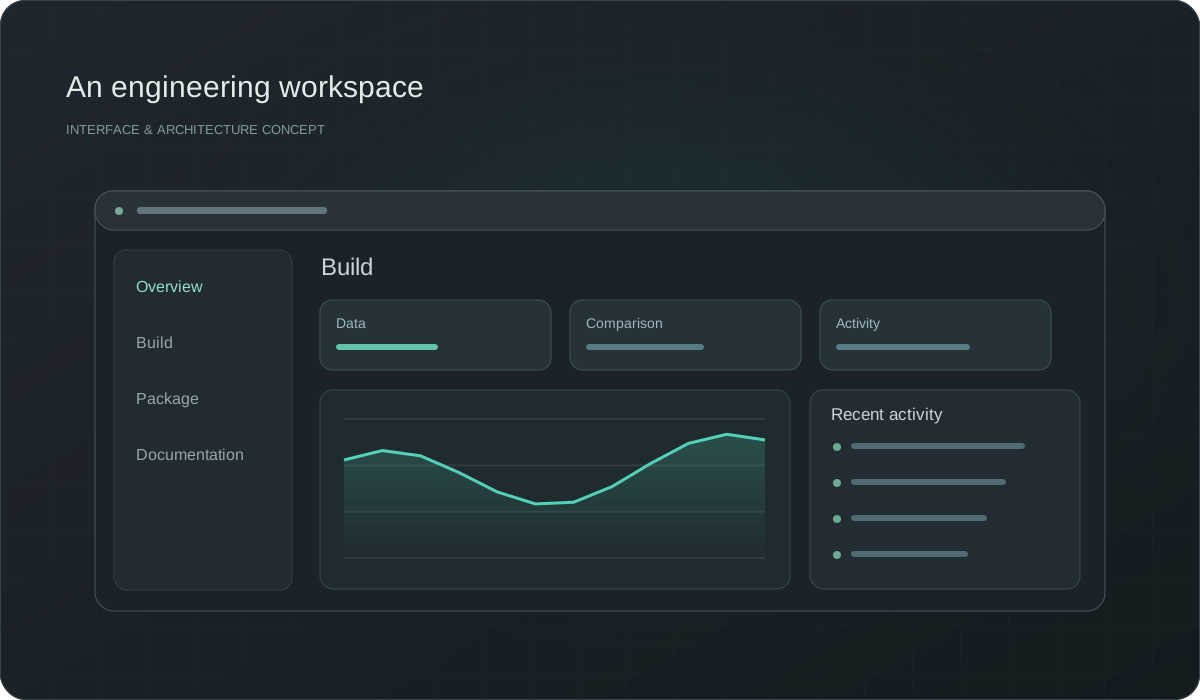
Build command-line tools, desktop utilities, and repository helpers around repeated engineering tasks with clear inputs and outputs.
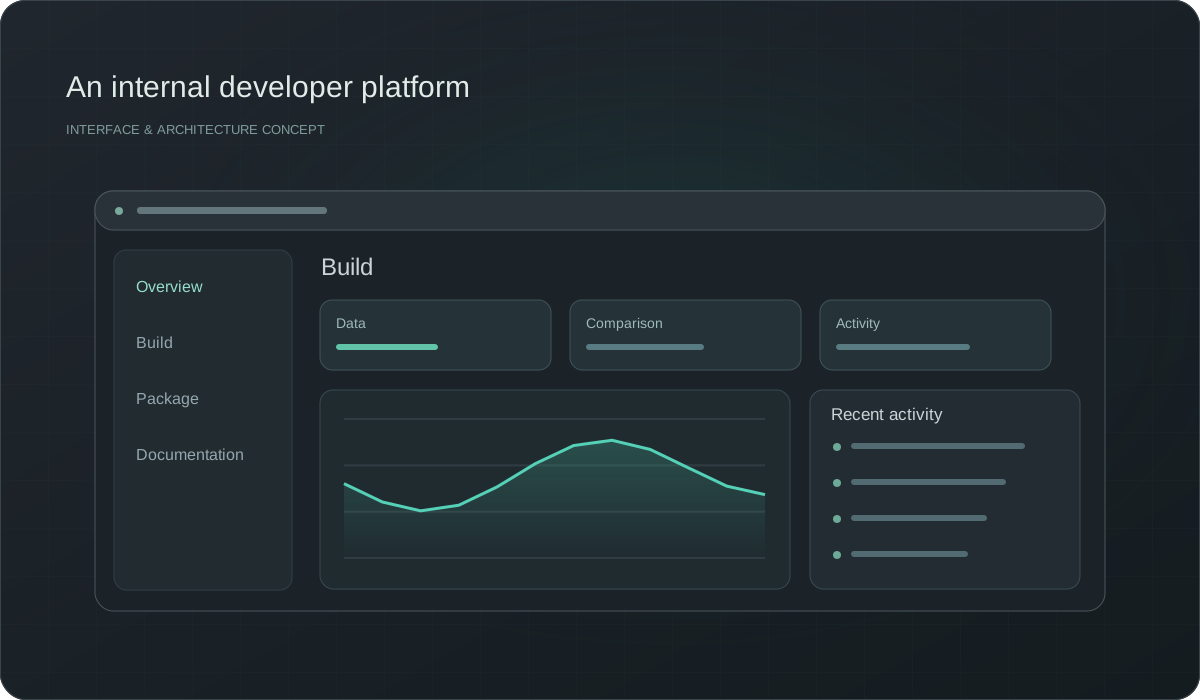
Provide service catalogs, environment requests, approved templates, and deployment visibility with appropriate permissions.
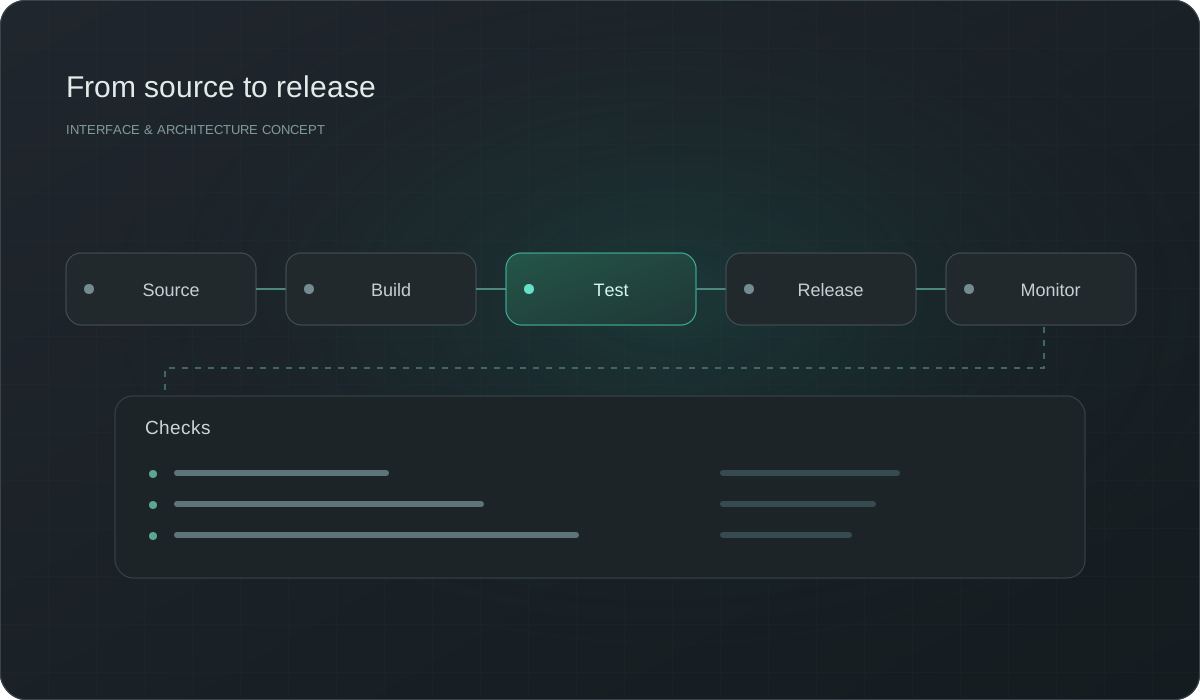
Connect validation, automated testing, artifacts, and release workflows so failures are diagnosable and changes are traceable.
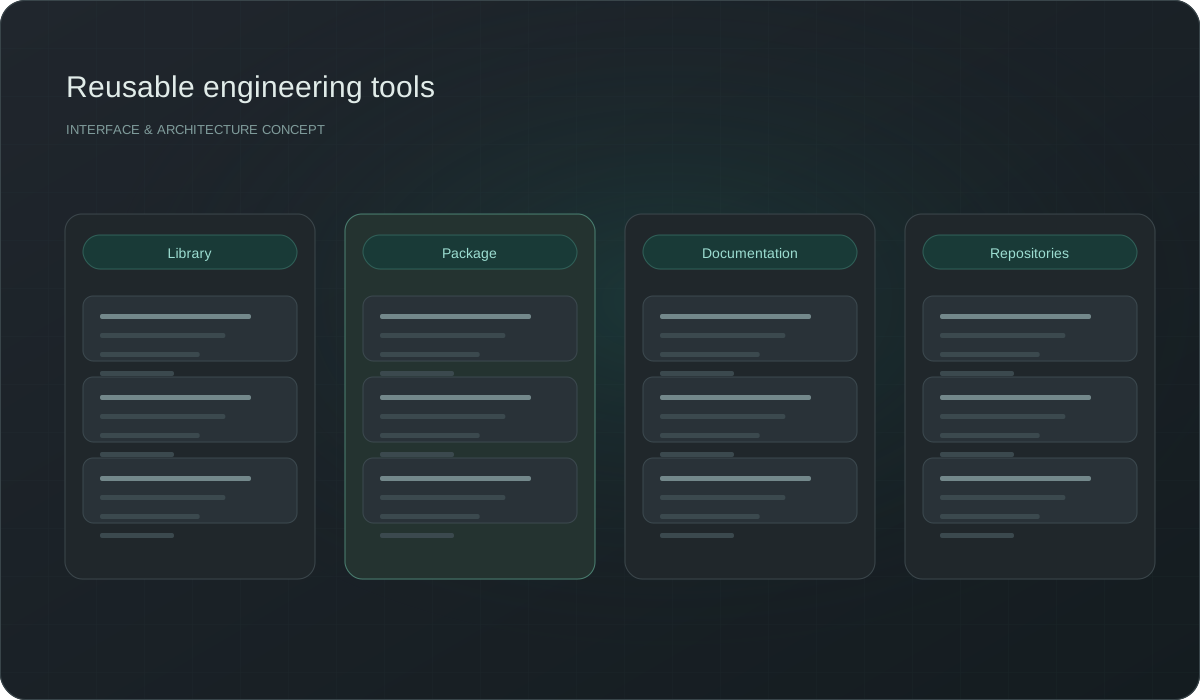
Support reusable libraries, package management, documentation, and collaboration with ownership and versioning built in.
A hypothetical release tool should show which checks ran, what artifact was produced, and which environment received it. We design useful logs, predictable failure behavior, and safe retries alongside the happy path. The developer should be able to inspect and diagnose the automation instead of treating it as an opaque button.
An internal platform can offer standard paths for common tasks while leaving documented escape routes for unusual requirements. We connect repository identity, environment ownership, package policies, and documentation. Reusable tooling should reduce repeated work without forcing unrelated teams into an unsuitable workflow.
Adoption depends on fitting the real workflow and making failure understandable.
Observe setup, testing, release, and collaboration tasks across representative repositories.
Test the core workflow, interfaces, failure messages, and compatibility with existing tooling.
Plan package releases, migration guidance, ownership, and feedback from engineering teams.
Give common tasks clear contracts and useful defaults.
Expose the evidence needed to understand a failed build or release.
Keep ownership, documentation, and compatibility visible.
No. The interface is one part of a developer workflow. Repository integration, build behavior, testing, packages, permissions, and diagnostics determine whether the tool is useful.
We inspect its interfaces, permissions, and execution model first. A small integration or reusable workflow may be preferable to replacing the pipeline.
Through explicit ownership, versioning, compatibility checks, documentation, and a release process that considers consuming repositories.
It can address identified friction such as repeated setup or unclear releases. We choose measurable workflow goals rather than promising a universal productivity percentage.
Have an idea, a question, or a challenge to solve? Tell us what you need, and we'll help you find the right starting point.
Tell us what you have in mind. You can reach our team directly by email.
We'll take time to understand your needs, discuss the possibilities, and work out what makes sense for your project.
Tell us about your idea, your challenge, or your next project. We’ll help you find the right way forward.