Process and workflow management
Represent requests, approvals, responsibilities, deadlines, and exception handling in an explicit operational flow.
 Get started
We develop custom business systems around existing workflows and operational requirements. From internal management tools to integrated enterprise software, our systems can connect with existing platforms, databases, and services.
Business information often moves between spreadsheets, specialist software, and conversations before anyone can act on it. We design internal systems and integration paths around those handoffs. The aim is a clear workflow with shared records, appropriate permissions, and visible exceptions. Existing systems can remain in place when they still serve the organization well.
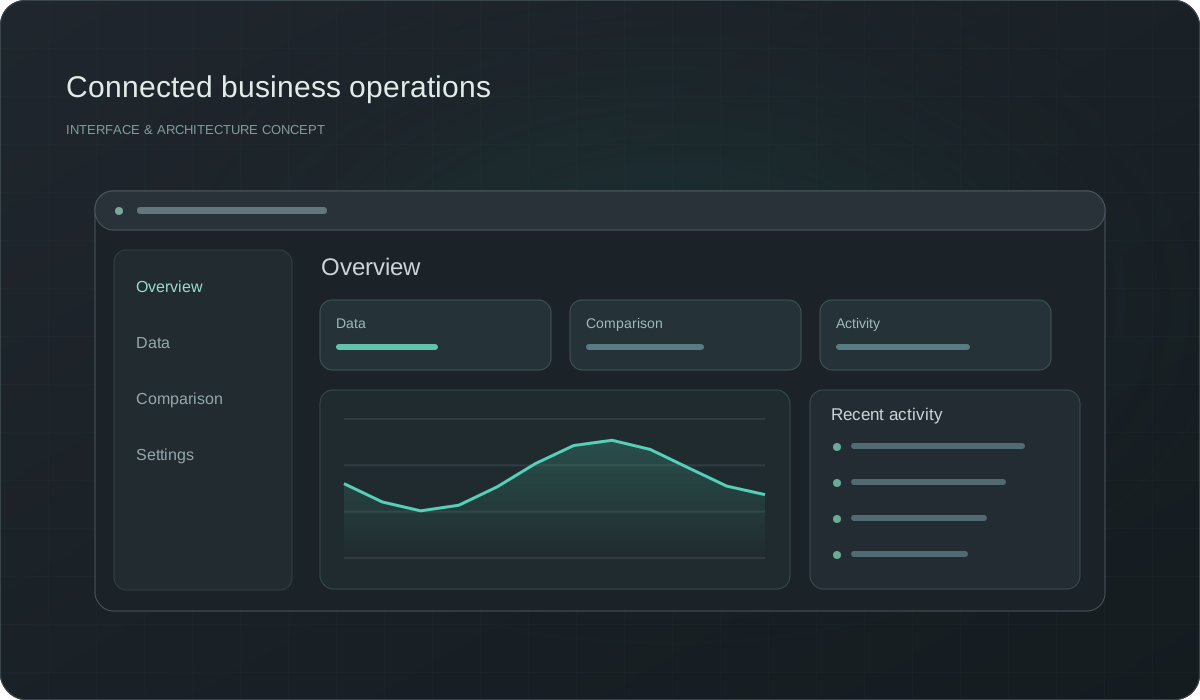
Represent requests, approvals, responsibilities, deadlines, and exception handling in an explicit operational flow.
Build connected modules around the business’s records and rules instead of forcing every process into the same form.
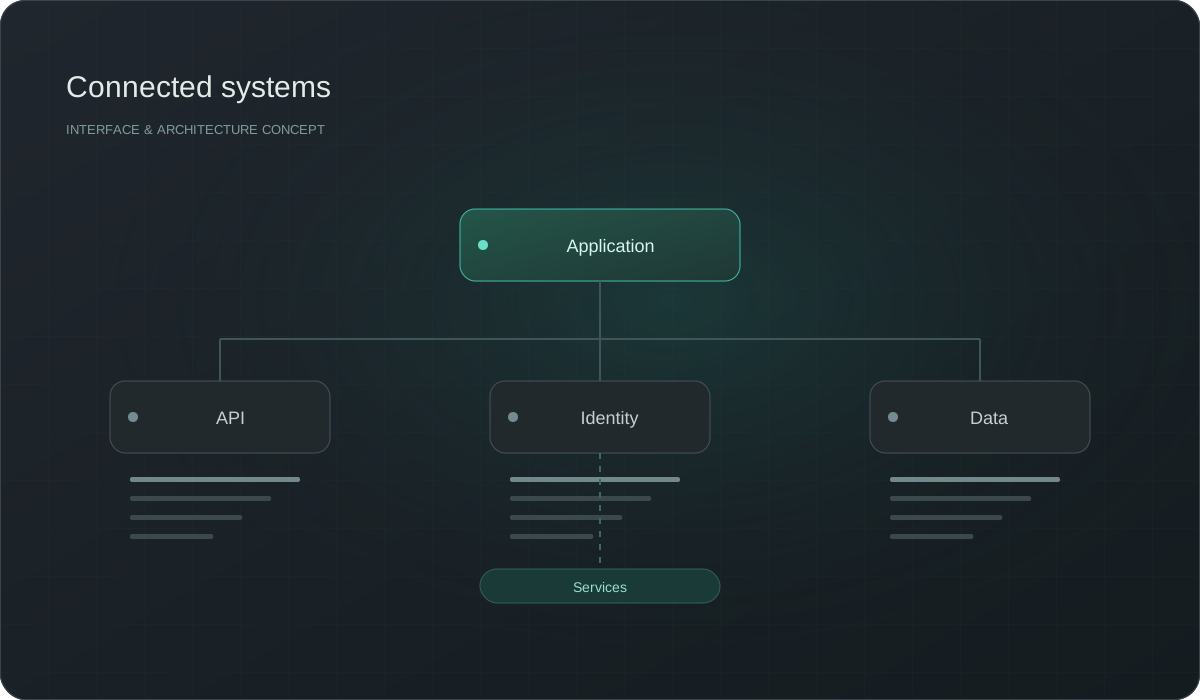
Connect current platforms and databases through API contracts, identity boundaries, and reliable data exchange.
Give each role useful queues, dashboards, history, and permissions without making every record visible to everyone.
A hypothetical purchasing workflow might keep accounting in the current system while adding request review and approval in a dedicated workspace. We map data ownership and interfaces first. Gradual integration can reduce duplicate entry while preserving systems that already meet important requirements.
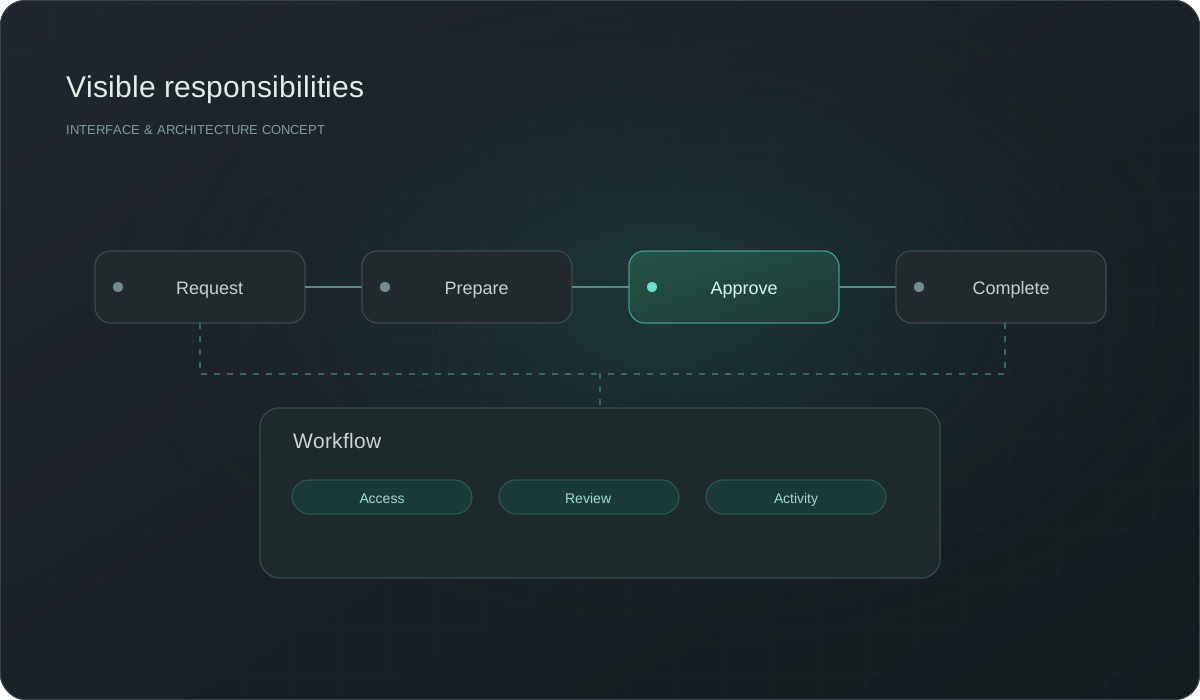
A request should show its current state, the person or role responsible for the next step, and the history behind a decision. We design permissions and audit trails alongside the workflow. Automation can move routine information while leaving consequential approvals with authorized people.
Operational adoption matters as much as the implementation.
Observe the current process, exceptions, duplicate work, and sources of truth.
Test representative records and integration failures with the people doing the work.
Plan migration, training, support, and gradual adoption across roles.
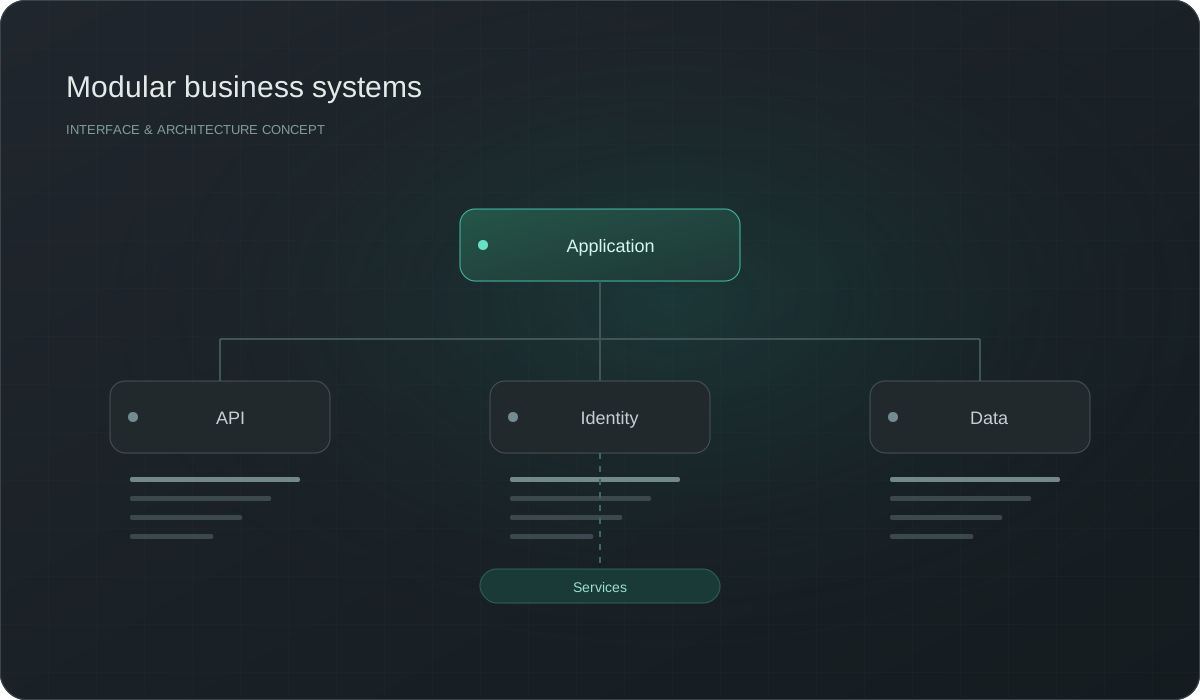
Use explicit interfaces between systems.
Show who owns the next action and why.
Improve selected modules without assuming a complete replacement.
Not necessarily. We inspect current capabilities and integration options first. A focused module or connection may address the problem while retaining the existing system.
Yes. Roles, record ownership, and approval authority are modeled with the workflow and checked at the application boundary.
Migration needs mapping, cleaning, validation, and reconciliation. We agree on a source of truth and a cutover or gradual transition plan.
The architecture can allow selected rules and modules to evolve. We distinguish configurable workflow changes from changes requiring development so expectations remain clear.
Have an idea, a question, or a challenge to solve? Tell us what you need, and we'll help you find the right starting point.
Tell us what you have in mind. You can reach our team directly by email.
We'll take time to understand your needs, discuss the possibilities, and work out what makes sense for your project.
Tell us about your idea, your challenge, or your next project. We’ll help you find the right way forward.